Video credit: Julie Khuu via YouTube.
Finding the right area rug sounds easy until you actually start shopping.
Then the fun begins.
Suddenly you’re comparing rug sizes, colors, patterns, textures, materials, online reviews, shipping costs, and approximately nine million photographs of rugs sitting in beautifully styled living rooms.
And that is exactly what happened during the original area-rug search behind this article. After a home renovation added fresh flooring and warm grey walls, the living room still felt a little too hard and unfinished. An area rug became the missing layer that could bring back the warmth and cozy feeling.
The original article then narrowed the search to ten major places to buy an area rug: Wayfair, Overstock, Amazon, Pottery Barn, Crate & Barrel, Pier One, Bed Bath & Beyond, Urban Barn, West Elm, and Lowe’s.
Those retailers represent a useful mix of budget-friendly, traditional, modern, designer-inspired, and general home-improvement options. Because retailers, brands, inventories, and business names change over time, this guide treats the original list as a shopping roadmap rather than a permanent ranking.
So before you click “add to cart” on the first pretty rug you see, let’s talk about what actually makes an area rug work.
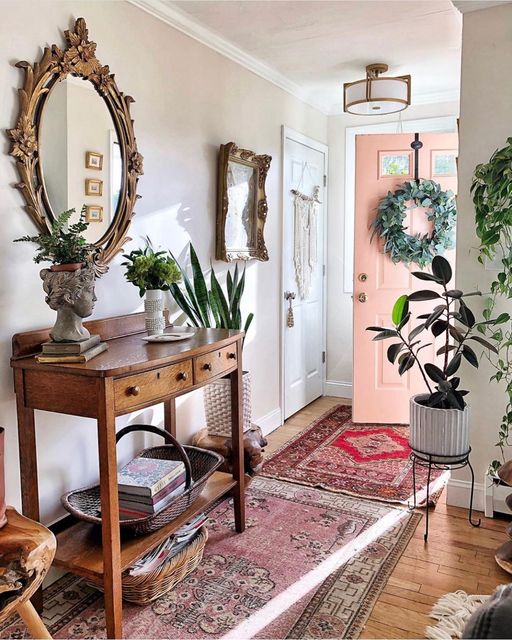
Why an Area Rug Can Completely Change a Room
An area rug does much more than cover part of the floor.
It can visually connect furniture, add warmth, define a seating area, introduce color, soften hard surfaces, and make an otherwise unfinished room feel complete.
Think of an area rug as the punctuation mark at the end of a decorating sentence.
The furniture might already be beautiful. The walls may be freshly painted. Your lighting could be fantastic.
But without a rug, something can still feel slightly off.
This becomes particularly obvious after a renovation. New floors may look beautiful, but large stretches of hard flooring can make a room feel colder or less settled.
That is why the original article’s search wasn’t really about “finding a rug.”
It was about finding the piece that would make the room feel like home again.
If you’re also working on a home makeover, see our guide to choosing the perfect paint color before you finalize the rest of your palette.
What Should You Look for in an Area Rug?
Before comparing stores, decide what you actually want.
A good area rug should answer four basic questions:
- What size does the room need?
- What colors belong in the space?
- What amount of pattern can the room handle?
- How much wear will the rug receive?
Those four questions will eliminate a surprising number of unsuitable options.
A beautiful rug that is too small will still look too small.
A gorgeous cream rug in a home with three muddy dogs may become a full-time cleaning project.
And a highly detailed geometric rug may feel overwhelming if your furniture already has strong patterns.
How to Choose the Right Area Rug Size
This is where many people make their first mistake.
They find a rug they love and then ask whether it comes in a size that “probably works.”
Reverse that process.
Measure the room first.
Living Room Rug Size
For many living rooms, the rug should be large enough to visually connect the seating arrangement.
A common approach is to place at least the front legs of the main seating pieces on the rug.
In a larger room, a rug can extend far enough beneath the sofa and chairs to make the entire seating area feel like one zone.
For more inspiration, see the transitional design guide, which explains how furniture, color, lighting, fabrics, and accessories can work together.
Dining Room Rug Size
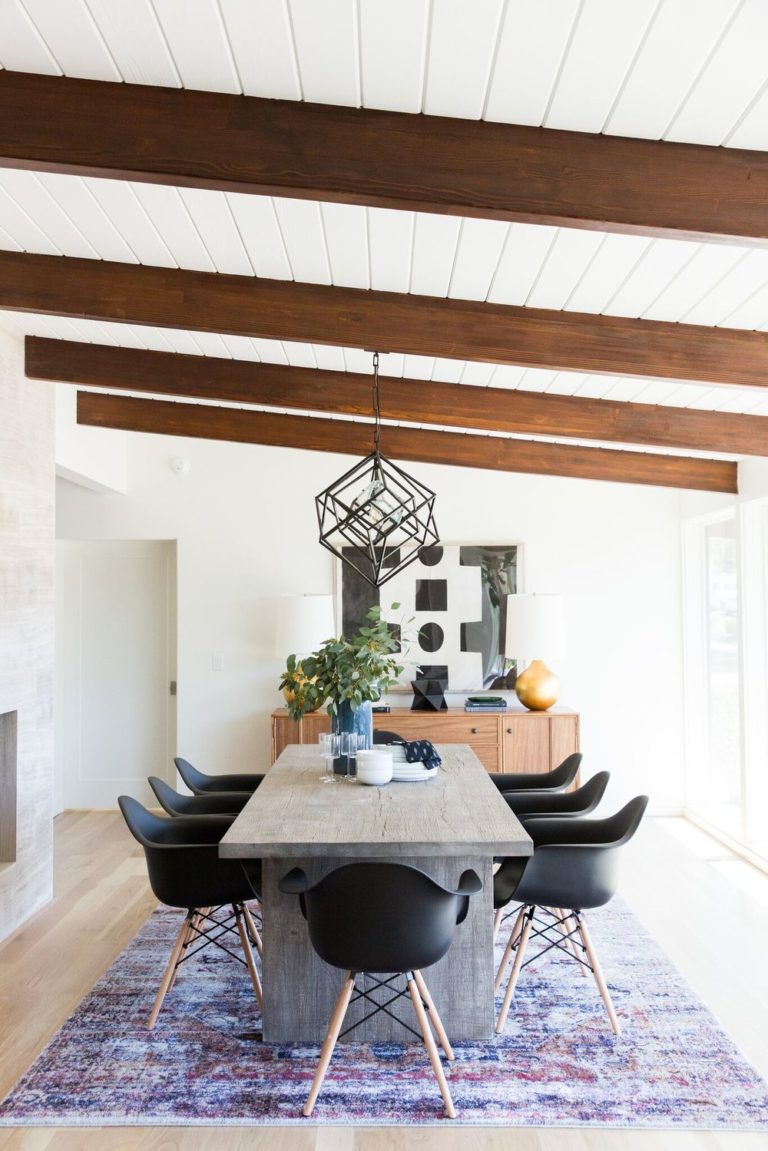
Dining-room rugs need enough extra space around the table for chairs to remain on the rug when pulled away from the table.
That means you should measure the table and include the space needed for chairs.
Bedroom Rug Size
In a bedroom, a rug can sit underneath the bed and extend beyond the sides and foot.
Another option is to use runners or smaller rugs around the bed.
For additional bedroom styling ideas, check out our transitional master bedroom décor guide.
Entryway Rug Size
An entryway rug should fit the walking zone without creating a tripping hazard or crowding the door.
A narrow runner often works beautifully in hallways and entry spaces.
How to Choose an Area Rug Color
Color should connect with something already in the room.
The original designer behind One Plus Two Design Co. was considering a geometric warm-grey rug with a little blue.
That idea makes sense because it connects the rug to the existing warm-grey wall color while adding another color note.
You can do the same thing.
Look at your existing room and find one color you already love.
It might come from:
- Artwork
- Throw pillows
- Curtains
- Wall paint
- Accent chairs
- Cabinetry
- Wood tones
Use the rug to repeat one or two of those colors rather than introducing an entirely unrelated palette.
For more guidance, compare popular grey paint colors when you’re trying to build a neutral room around a warm or cool rug.
Should You Choose a Neutral or Patterned Rug?
This depends on what the rest of the room is doing.
Choose a Neutral Area Rug If…
- Your furniture is colorful.
- You already have patterned curtains or pillows.
- Your artwork is a major focal point.
- You want a calm, understated room.
- You expect to change your décor frequently.
Choose a Patterned Area Rug If…
- Your furniture is relatively simple.
- The room needs more personality.
- You want to create a strong focal point.
- You have lots of plain surfaces that need visual interest.
The trick is balance.
You don’t want the rug, sofa, curtains, wall art, pillows, and coffee table all yelling, “Look at me!” at the same time.
One star is enough.
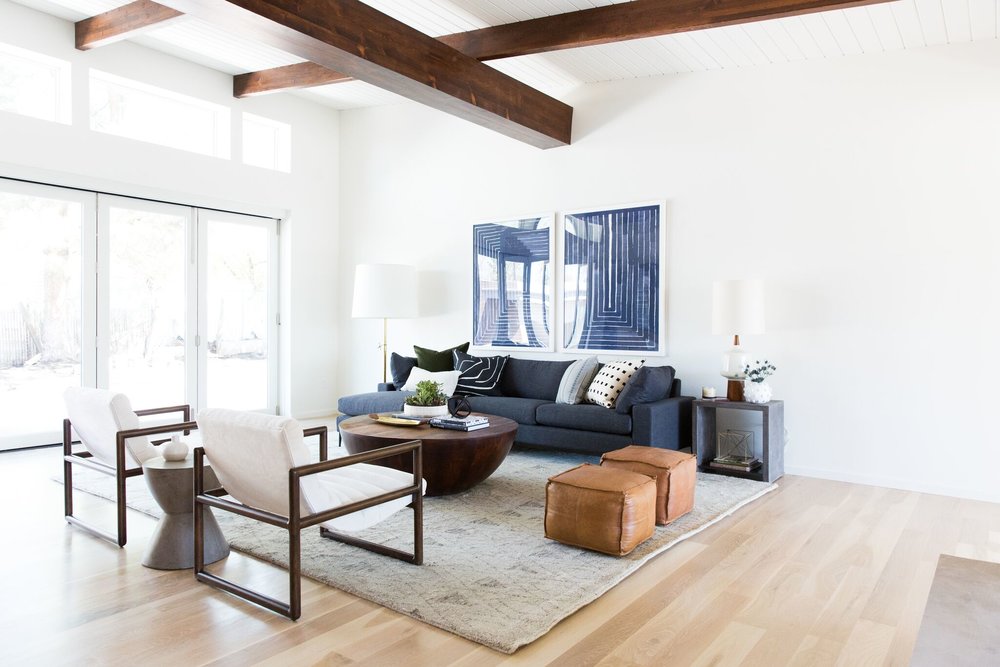
10 Best Places to Buy an Area Rug
The following ten retailers come directly from the original One Plus Two Design Co. roundup. They are presented as useful shopping destinations rather than a current ranking of which company is best today.
1. Wayfair
Wayfair is a natural place to start when you’re overwhelmed by sheer choice.
Its online catalog covers a huge range of rug styles, colors, sizes, and price points.
This is particularly useful if you aren’t quite sure what style you want yet.
You can browse traditional rugs, modern geometric designs, farmhouse styles, washable rugs, runners, outdoor rugs, and more.
The original article included Wayfair because it offered a broad selection during the author’s search.
For current inventory, see Wayfair’s area rug collection.
2. Overstock
Overstock was another major destination in the original search.
It appealed to shoppers looking for a wide variety of styles and price ranges.
Its inclusion in the original article makes sense for someone comparing many different designs side by side.
When shopping a large online marketplace, remember to compare dimensions, materials, construction, and customer reviews rather than judging by the product photograph alone.
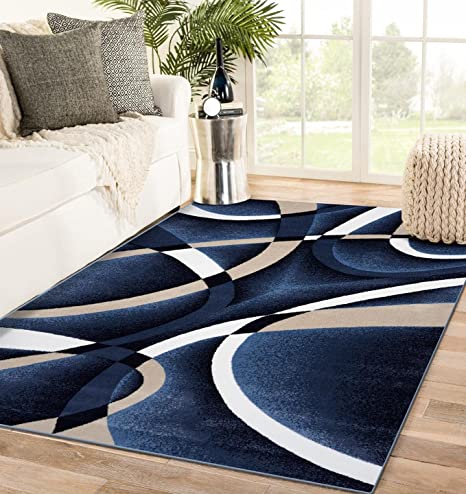
3. Amazon
Amazon appeared on the original list because of its enormous online marketplace and broad home-goods selection.
It can be useful when you’re trying to compare many price points quickly.
But this is also a place where details matter.
Check the exact dimensions. Read reviews carefully. Look at customer photos when available. Confirm the material and return policy.
And be especially careful with scale. A rug can look enormous in a professionally photographed room and surprisingly compact when it arrives at your house.
4. Pottery Barn
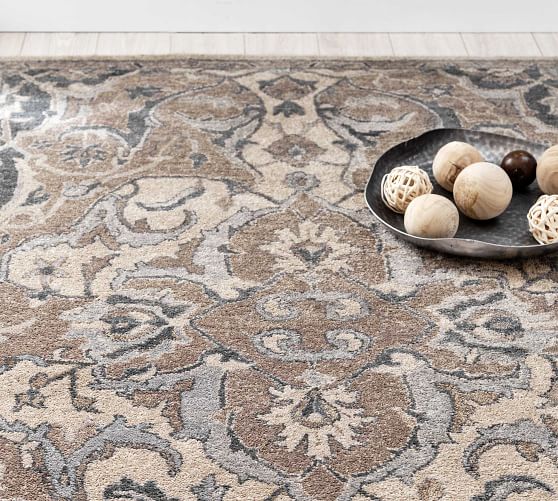
Pottery Barn is worth exploring when your design leans toward classic, comfortable, and elevated home décor.
The original article included it as one of its ten shopping destinations.
Pottery Barn-style rugs can work particularly well in rooms where you want traditional patterns without making the space feel overly formal.
5. Crate & Barrel
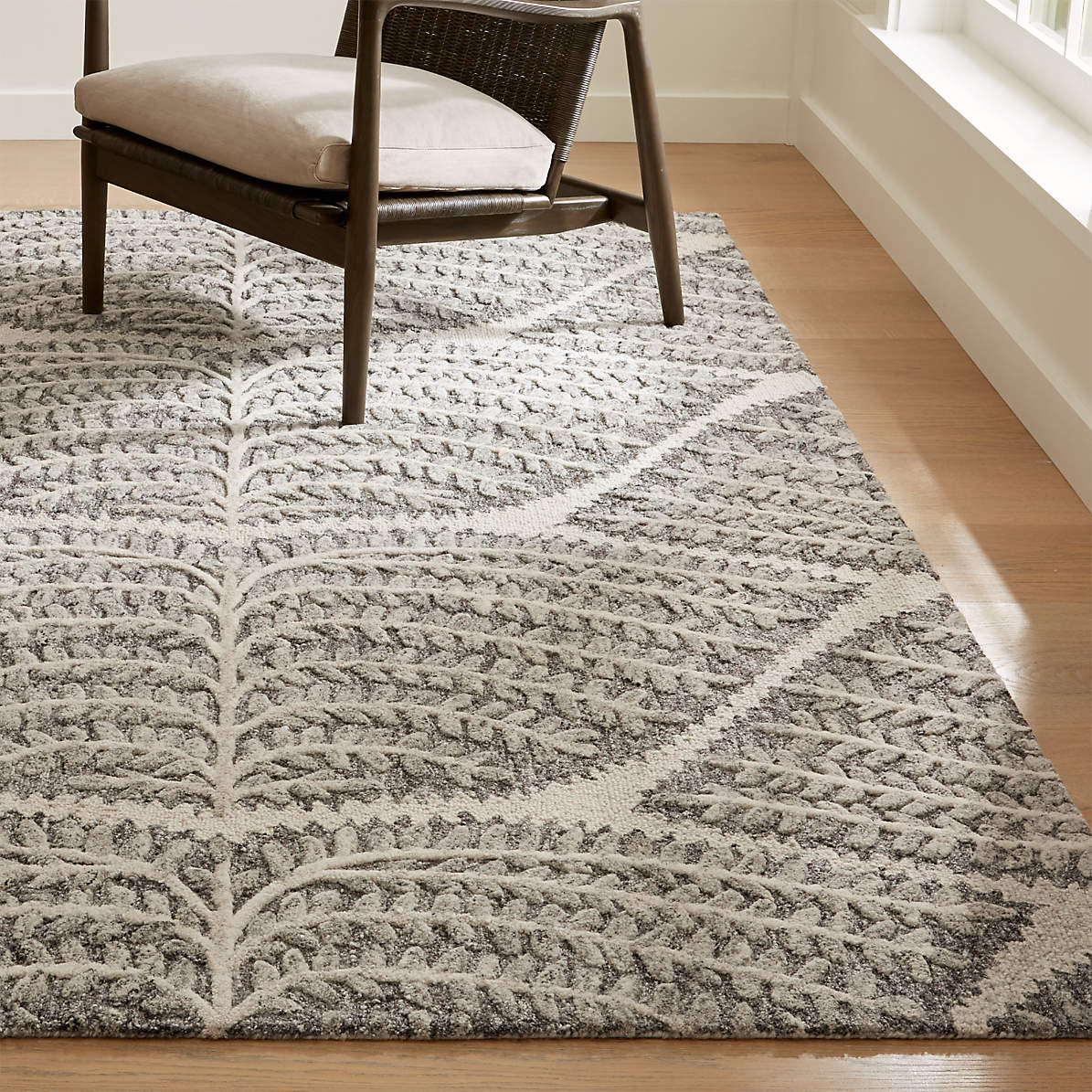
Crate & Barrel is another useful stop if your home leans contemporary, transitional, or modern.
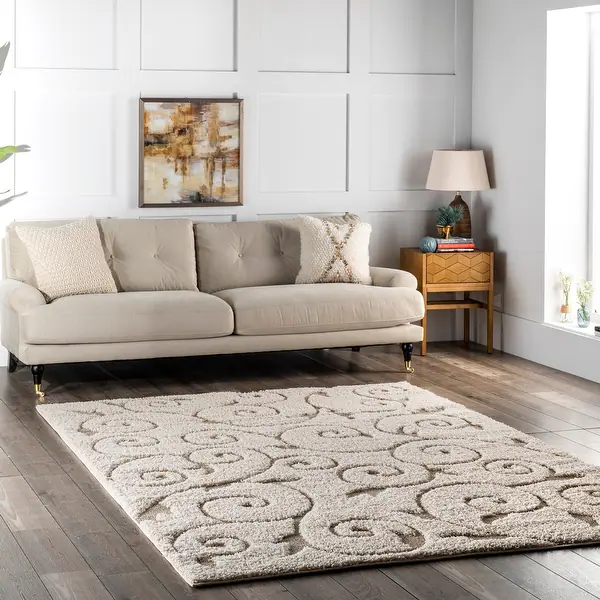
The original article’s example uses a light neutral rug with a subtle pattern that works nicely with modern furniture and pale wood flooring.
This illustrates an important lesson: a rug does not need a dramatic pattern to add visual interest.
Texture can do a lot of the work.
6. Pier One
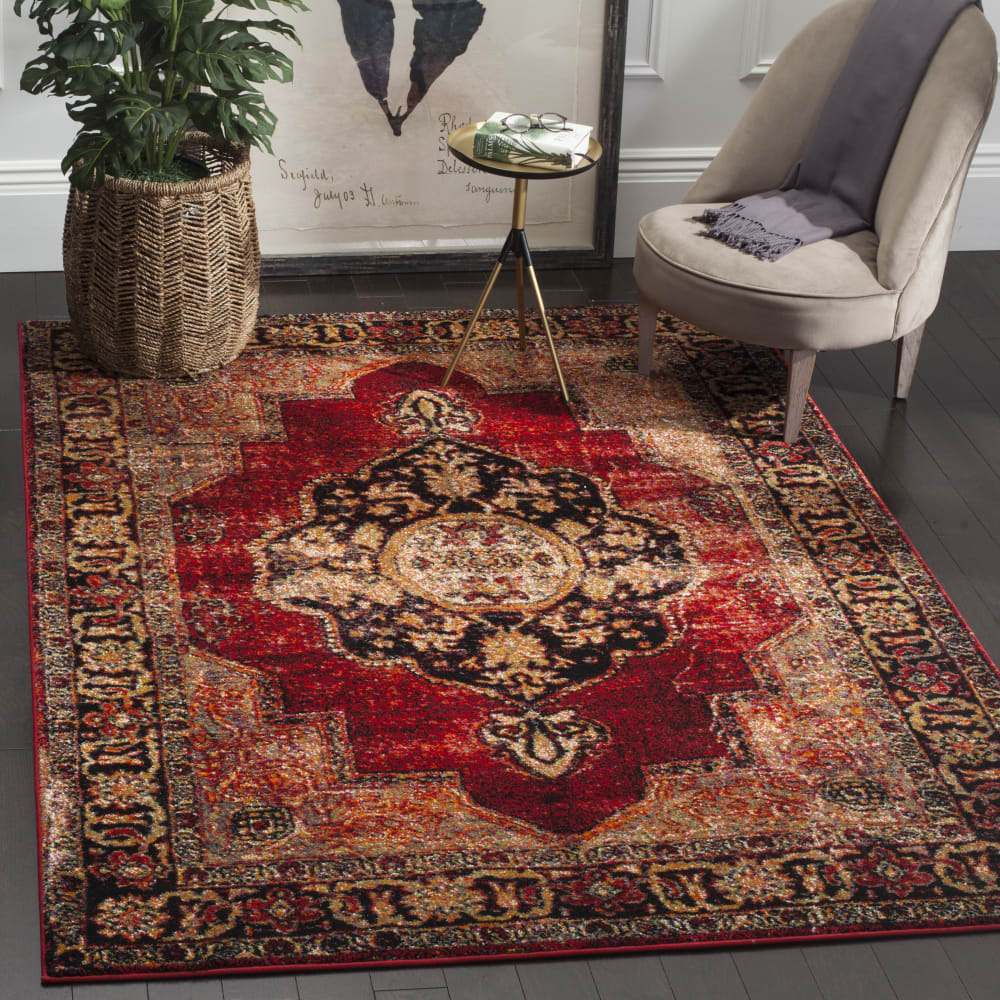
Pier One appeared on the original list as a source for more decorative and globally inspired rugs.
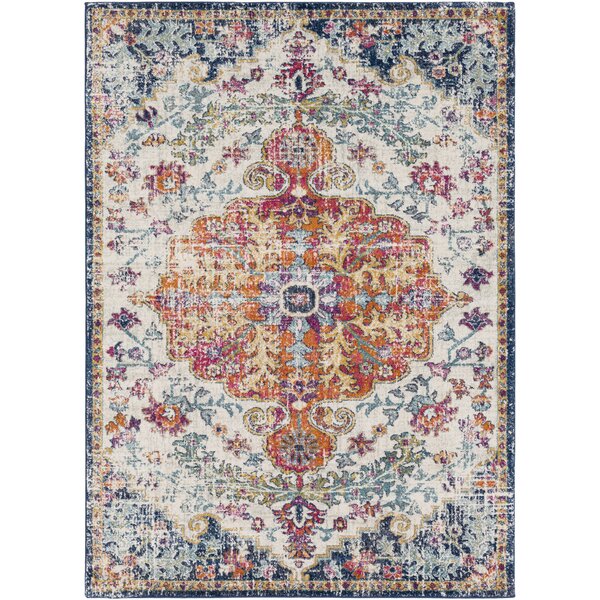
The example used in the article is much richer in color than several of the neutral options elsewhere in the roundup.
That’s a good reminder that area rugs don’t have to be boring.
If your room is mostly neutral, a colorful rug can become the feature that gives it personality.
7. Bed Bath & Beyond
Bed Bath & Beyond was another retailer included in the original roundup.
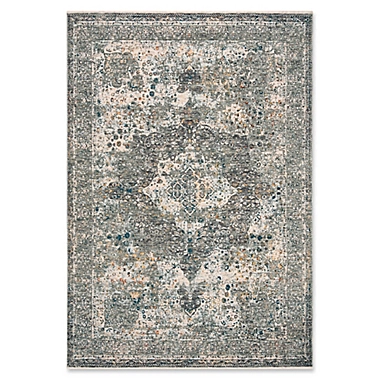
The example shown is a soft neutral rug with a weathered, vintage-inspired appearance.
That type of pattern can be particularly useful when you want the look of an established room rather than something that feels brand new.
A slightly distressed appearance can also be forgiving in busy areas of the home.
Because retailer names, ownership, and product catalogs can change over time, treat older retailer references as part of the historical roundup and verify the current retailer before purchasing.
8. Urban Barn
Urban Barn was another destination on the original list and is particularly interesting for shoppers who enjoy contemporary Canadian-inspired design.
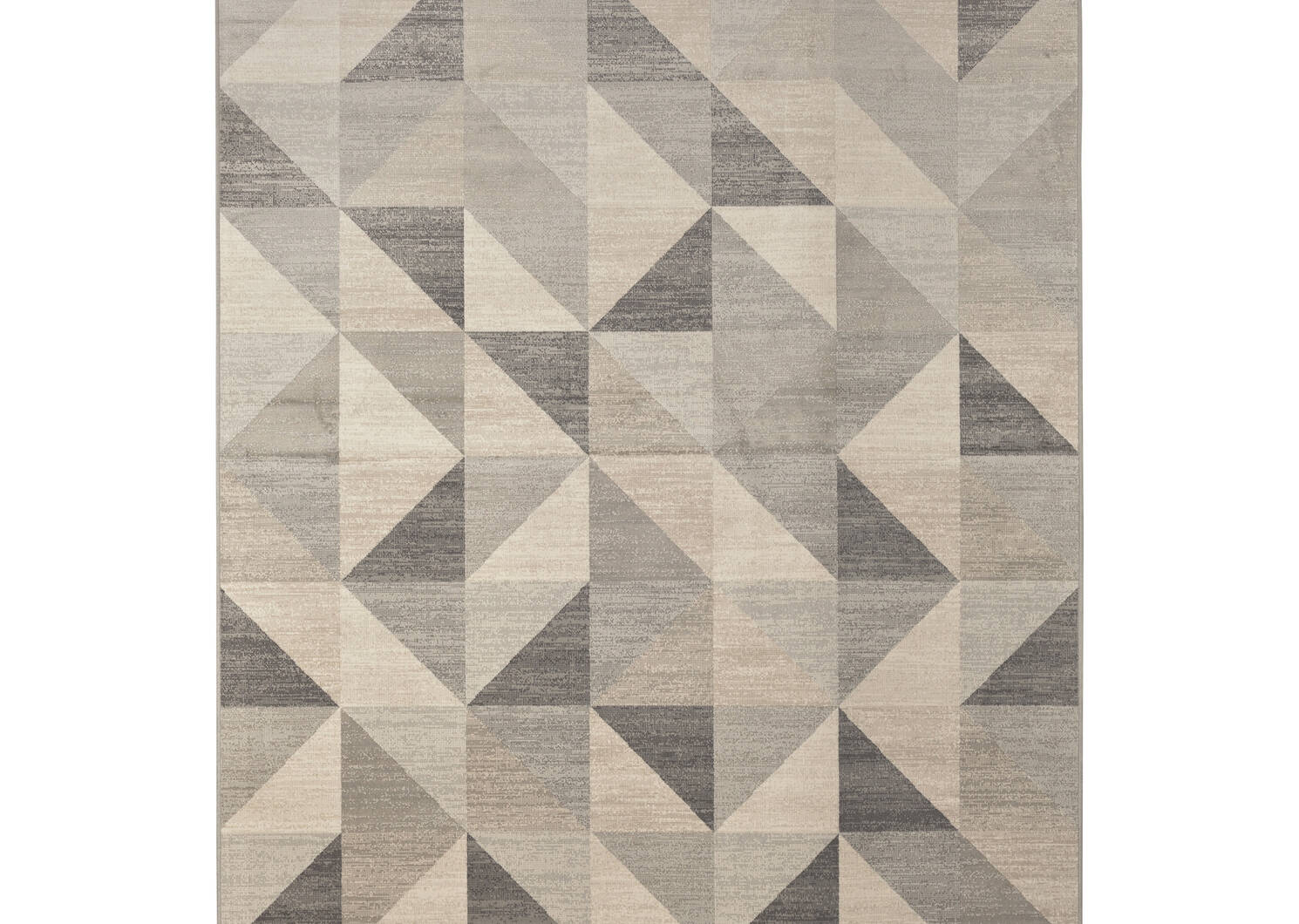
The example shown features a muted geometric pattern in soft gray and beige.
Geometric rugs can work beautifully in modern interiors because they introduce pattern without necessarily adding a lot of color.
9. West Elm
West Elm is a strong place to look when you want modern design with a softer, lived-in feeling.
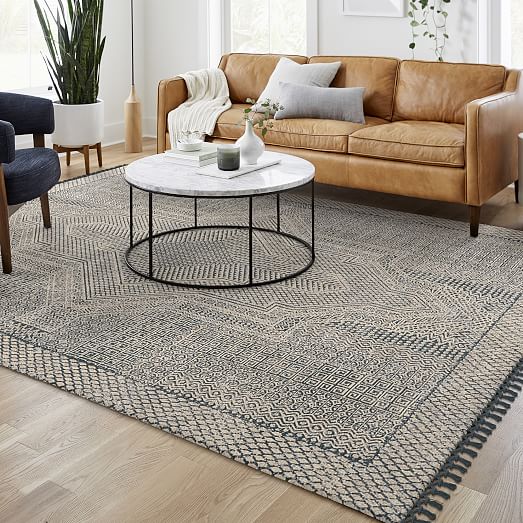
The original article’s example features a geometric neutral rug paired with a leather sofa, white walls, and contemporary furniture.
Notice something important about that room: the rug provides pattern without overwhelming the furniture.
That is a very useful approach when you’re creating a sophisticated modern living room.
10. Lowe’s
Lowe’s rounds out the original ten-store list.
For shoppers who are already buying flooring, paint, lighting, or other renovation supplies, a home-improvement retailer can be a convenient place to compare rugs at the same time.
This can be particularly useful during a renovation because you’re already thinking about the room as a complete project rather than shopping for furniture one piece at a time.
How to Pick a Rug Style That Matches Your Home
Before choosing a pattern, identify your room’s design direction.
Modern
Modern rooms often work well with geometric patterns, simple lines, neutral shades, and low-pile textures.
Traditional
Traditional rooms can handle ornate patterns, medallions, floral designs, Persian-inspired motifs, and richer color combinations.
Farmhouse
Farmhouse spaces often benefit from natural colors, vintage-inspired patterns, muted stripes, soft neutrals, and subtle texture.
Our modern farmhouse paint guide can help you coordinate the wall colors with the rug and the rest of your room.
Transitional
Transitional design is particularly rug-friendly because it blends traditional and contemporary elements.
A rug with a classic pattern in modern neutral colors can bridge the two styles beautifully.
See our transitional design tips for more ideas.
Warm Gray Area Rugs: Why They Work So Well
A warm gray rug can be a fantastic middle ground when you’re trying to avoid a room that feels either too beige or too cold.
Warm gray can work with:
- White walls
- Natural wood floors
- Black accents
- Blue accessories
- Beige upholstery
- Warm metal finishes
That makes it a particularly flexible color for living rooms.
If you’re building a gray-based palette, compare our warm gray paint ideas with our cool gray paint ideas to see how different undertones affect the overall mood.
Geometric Area Rugs: Are They Too Trendy?
Not necessarily.
Geometric patterns can feel very current, but simple geometry can also be remarkably timeless.
The key is scale.
A huge, high-contrast geometric design makes a strong statement.
A softer geometric pattern can add texture and movement without dominating the room.
If your goal is longevity, choose geometry that works with your furniture rather than a pattern that exists purely because it’s fashionable this year.
How to Match an Area Rug with Furniture
One of the easiest methods is to choose a rug that connects at least two colors already present in the room.
For example:
- Gray sofa + blue rug accents + warm wood
- White sofa + charcoal rug + black lighting
- Tan leather sofa + neutral patterned rug + wood flooring
- Blue chairs + soft gray rug + brass accents
You’re creating repetition.
That repetition makes the room feel coordinated without making every piece match perfectly.
For more ideas about balancing old and new furniture, see our transitional decorating guide.
How to Choose an Area Rug Material
The best material depends on the room and your lifestyle.
Wool
Wool rugs are popular for their natural feel, warmth, and durability.
Cotton
Cotton can feel light and casual and is often used in relaxed spaces.
Synthetic Fibers
Polyester, polypropylene, and other synthetic materials can offer practical options for busy households, depending on construction and care requirements.
Natural Fibers
Jute and other natural fibers can add texture and a relaxed look.
However, always check the manufacturer’s care instructions and consider the room’s moisture and traffic level before making your final decision.
Low-Pile vs. High-Pile Rugs
Rug height affects both appearance and practicality.
Low-Pile Rugs
Low-pile rugs are usually easier to place beneath furniture and can be practical in high-traffic spaces.
High-Pile Rugs
High-pile and shag-style rugs feel softer underfoot but can require more maintenance and may be more difficult to clean.
For dining rooms and heavily used family spaces, practicality may be more important than maximum fluffiness.
Should You Use a Rug Pad?
A good rug pad can be useful for several reasons.
It can help keep the rug from shifting, add cushioning, protect the floor, and make the rug feel more substantial underfoot.
This is especially important in living rooms, hallways, and other areas where people are constantly walking across the rug.
Before buying a pad, check the floor manufacturer’s recommendations and make sure the pad is compatible with both the floor and rug.
How an Area Rug Defines a Living Room
This is one of the biggest decorating benefits of a rug.
In a large open-plan room, furniture can sometimes look like it is floating independently.
A rug visually connects the sofa, chairs, and coffee table.
Suddenly there is a seating area.
That is why rugs are particularly useful in open-concept homes.
They create zones without walls.
Area Rugs in Open-Concept Homes
Open floor plans can look fantastic, but they create one design challenge: everything can begin to feel like one enormous room.
Area rugs solve that problem beautifully.
Use one rug beneath the sofa arrangement and another under the dining table.
They don’t have to match.
They simply need to coordinate.
That could mean similar colors, related patterns, or a shared neutral base.
Vintage-Looking Rugs vs. Brand-New Rugs
You don’t necessarily need an antique rug to get an old-world appearance.
Many modern rugs use faded colors, distressed patterns, and intentionally worn-looking designs.
This can be especially useful for transitional and farmhouse rooms because the rug feels established without requiring the care or expense associated with an actual antique piece.
If you love this look, use the rug as a bridge between traditional furniture and modern materials.
How to Use a Rug to Make a Room Feel Cozier
Texture is your friend.
A room with wood flooring, glass, metal, and smooth upholstery can feel a little hard.
A rug introduces softness.
Then layer in:
- Textured pillows
- Throws
- Natural wood
- Soft curtains
- Plants
That combination creates the comfortable feeling many homeowners are after.
Our biophilic design ideas can also help if you want to bring more natural materials and greenery into the room.
One Area Rug Can Become the Starting Point for the Whole Room
Here’s a useful decorating trick.
Instead of choosing the rug last, choose it early.
A patterned rug can give you a ready-made color palette.
Pull a color from the rug for your pillows.
Use another shade for artwork.
Choose a neutral wall color that doesn’t compete.
Suddenly, decisions that seemed unrelated begin to fall into place.
This approach can be particularly helpful if you find yourself stuck choosing paint colors. For more help, explore top gray paint colors for walls.
How to Shop for an Area Rug Online
Online shopping gives you enormous choice, but it also removes a few things you normally get in a physical store.
You can’t touch the rug.
You can’t see its true size in your actual room.
And screen colors aren’t always identical to real-life colors.
So use a checklist.
- Measure your space.
- Read the full dimensions.
- Check material and construction.
- Read reviews.
- Look for customer photographs.
- Review the return policy.
- Check shipping details.
- Confirm cleaning instructions.
For another current online area-rug marketplace, you can also compare Rugs USA’s area rug collection.
How to Avoid Buying the Wrong Rug Size Online
This deserves its own section because it happens constantly.
A product photograph can make a 5×7 rug look huge when it is photographed in a large room.
Before ordering, use painter’s tape to mark the rug dimensions on your actual floor.
Step back.
Put your furniture around the outline.
Then look at it from different parts of the room.
Five minutes of masking tape can save you a return shipment and a lot of frustration.
How to Choose an Area Rug for a High-Traffic Living Room
If your living room gets heavy use, think about practicality before falling in love with a delicate ivory rug.
Ask:
- Will children play on it?
- Will pets walk across it?
- Does food regularly get eaten in this room?
- Does the rug need frequent vacuuming?
- Can the material tolerate your cleaning routine?
Pattern can also help disguise everyday dirt and small marks.
That doesn’t mean you should ignore cleaning.
It simply means a busy household may benefit from a rug that looks good between cleanings.
How an Area Rug Works with Grey Walls
Grey walls can be wonderfully flexible, but the rug needs to respect their undertone.
A cool gray wall can work well with blue, charcoal, white, and cool neutrals.
A warm gray can often sit more comfortably with beige, taupe, brown, muted blue, and warm white.
This is why our warm grey paint guide can be useful when you’re coordinating an existing wall color with a new rug.
If your walls are cooler, explore our cool grey paint guide for comparison.
Area Rugs and Kitchen Design
Rugs aren’t just for living rooms.
A runner can add warmth to a kitchen, while a smaller rug can visually soften a breakfast area.
However, kitchens require more thought.
Look for materials and constructions appropriate for spills and frequent cleaning.
The rug should also be placed where it doesn’t interfere with cabinet doors or create a walking hazard.
If you’re renovating the whole kitchen, our Silgranit sink design article offers another example of thinking about individual finishes as part of one complete room.
Area Rugs and Dining Rooms
A dining-room rug can make a table feel like a defined destination.
But this room needs an especially practical rug.
Food spills happen.
Chairs move.
People walk around the table.
Choose a rug size that keeps chair legs on the rug when the chairs are pulled back.
And unless you’re exceptionally confident in your family’s ability to avoid spilling red sauce, consider a pattern that won’t display every tiny mark.
Area Rugs and Bedrooms
Bedroom rugs are all about comfort.
A soft rug underfoot can make getting out of bed in the morning much nicer.
For a calm bedroom, choose soft colors, subtle patterns, and comfortable textures.
For a more dramatic room, let the rug introduce deeper colors or stronger geometry.
The rug can also connect your bedding with your wall color and furniture.
How to Make an Area Rug Look Expensive
You don’t necessarily need the most expensive rug in the store.
Instead, focus on proportion and coordination.
A correctly sized rug with a simple pattern can look far more luxurious than an expensive rug that is too small.
Keep the surrounding décor edited.
Use quality-looking lighting.
Choose furniture with good proportions.
And don’t overcrowd the rug with too many competing patterns.
The room should look collected, not decorated in one afternoon during a caffeine-fueled shopping spree.
Area Rug Mistakes to Avoid
Buying Too Small
This is probably the number one mistake.
Ignoring the Room’s Existing Colors
A rug should connect with your furniture, walls, and accessories.
Choosing Pattern Without Considering Scale
A tiny room may not need an enormous, high-contrast pattern.
Skipping a Rug Pad
Depending on the rug and flooring, a compatible rug pad can improve stability and comfort.
Ignoring Maintenance
Think about cleaning before you buy.
Shopping Only by Photograph
Product photos don’t tell you everything about texture, thickness, or real-world scale.
Area Rugs and Transitional Design
Area rugs are particularly powerful in transitional interiors.
That’s because transitional style already blends traditional and modern elements.
A classic rug pattern in muted contemporary colors can connect the two sides beautifully.
For example, a traditional medallion design can look fresh when rendered in soft gray, cream, and blue rather than intense traditional reds and golds.
That is one reason the original rug search leaned toward a geometric design in warm gray with blue.
Area Rugs and Modern Farmhouse Style
The modern farmhouse look also benefits from rugs.
Wood floors can sometimes feel visually hard. A soft, neutral rug instantly adds comfort.
Try:
- Muted geometric patterns
- Vintage-inspired designs
- Soft gray and beige
- Blue accents
- Natural textures
Pair the rug with natural wood, white or cream furniture, black accents, and soft textiles.
When to Choose a Bold Area Rug
A bold rug is perfect when the rest of your room is relatively quiet.
If your sofa is solid-colored, walls are neutral, and accessories are restrained, a strong rug can become the artwork for the floor.
That approach works beautifully in modern spaces where you want personality without covering every wall with decoration.
When to Choose a Quiet Area Rug
If your room already has strong artwork, patterned upholstery, colorful curtains, or dramatic furniture, a quiet rug can keep everything from competing.
Look for:
- Soft neutrals
- Low-contrast patterns
- Subtle texture
- Simple borders
- Muted color combinations
Sometimes the best rug is the one you don’t notice immediately.
You simply notice that the whole room looks better.
Can an Area Rug Make a Room Look Bigger?
It can influence how spacious a room feels, particularly when its size and placement are well matched to the furniture.
A rug that is too small can make furniture look scattered.
A properly scaled rug can visually group everything together and make the room feel more organized.
Light-colored rugs can also contribute to an airy visual effect, while darker rugs can create a cozier feeling.
How to Coordinate Rugs in an Open Floor Plan
You don’t need identical rugs in every zone.
In fact, matching everything perfectly can make the house feel a little like a hotel.
Instead, repeat colors.
Maybe the living-room rug includes soft blue, while the dining-room rug uses the same blue in a different pattern.
Maybe both rugs use a similar warm gray base.
That creates unity without duplication.
How to Use Area Rugs with Natural Light
Natural light can change how rug colors appear during the day.
A rug that looks beige in the morning may look more gray in the afternoon.
A blue pattern may become stronger under cooler daylight.
Just like paint, rugs should be considered alongside your room’s actual lighting rather than judged entirely from an online product photograph.
Our modern interior design trends guide also explores how natural materials and lighting can influence the overall feel of a room.
Area Rug Placement: The Quick Rules
- Measure before shopping.
- Use the rug to connect furniture.
- Leave enough clearance around walking paths.
- Make sure doors can open freely.
- Use a compatible rug pad where appropriate.
- Coordinate colors rather than matching everything.
- Choose the material based on traffic and maintenance.
- Consider how the rug looks from every major viewing angle.
Frequently Asked Questions About Area Rugs
What is the best size area rug for a living room?
The right size depends on the room and furniture arrangement. In many living rooms, the rug should be large enough to connect the main seating pieces rather than appearing as a small island floating beneath the coffee table.
Should all the furniture sit on the area rug?
Not always. In many rooms, placing at least the front legs of the main seating on the rug creates a cohesive arrangement. Larger rooms can often accommodate a rug that holds the entire seating group.
What color area rug goes with gray walls?
It depends on the gray’s undertone. Warm grays can work well with beige, taupe, brown, muted blue, and warm white. Cooler grays often pair naturally with blue, charcoal, clean white, and cooler neutrals.
Are patterned area rugs a good idea?
Yes. Pattern can add personality and help anchor a room. The key is to balance the rug with the patterns already present in the furniture, curtains, pillows, and artwork.
What is the best material for a high-traffic area rug?
There is no single best material for every home. Choose a construction that suits your traffic level, cleaning routine, pets, children, and room conditions. Always check the manufacturer’s care instructions.
Do I need a rug pad?
A compatible rug pad can improve stability and cushioning and may help protect the floor. The right type depends on the rug and flooring material.
Should an area rug match the sofa?
It doesn’t need to match exactly. It is often more effective to choose a rug that repeats one or two colors from the sofa, artwork, curtains, or accessories.
Can I use an area rug on hardwood floors?
Yes, provided the rug and rug pad are appropriate for the flooring and used according to the flooring manufacturer’s recommendations.
How do I choose an area rug online?
Start with dimensions, then check material, construction, photos, reviews, care instructions, return policy, and shipping information. Use tape on your floor to visualize the actual rug size before ordering.
Final Thoughts: Finding the Perfect Area Rug
The original One Plus Two Design Co. area-rug search started with a simple problem: a newly renovated room looked beautiful but felt a little too hard and unfinished.
The solution was not another major renovation.
It was an area rug.
That is the beauty of rugs.
They can change the feeling of a room without changing the architecture.
The original shopping list included Wayfair, Overstock, Amazon, Pottery Barn, Crate & Barrel, Pier One, Bed Bath & Beyond, Urban Barn, West Elm, and Lowe’s, giving shoppers a useful mix of large marketplaces, home-furnishing specialists, and home-improvement retailers.
But don’t start shopping until you know what your room needs.
Measure the space.
Choose a sensible size.
Look at your existing colors.
Decide whether you need a quiet neutral or a statement pattern.
Think about traffic and cleaning.
Then shop.
And when you’re standing in front of dozens of beautiful rugs wondering which one is “the one,” remember that the winning rug doesn’t necessarily have to be the most expensive or trendiest option.
It simply needs to make your room feel more complete.
That can mean a warm gray geometric rug.
It can mean a colorful vintage-inspired pattern.
It can mean a soft neutral rug that quietly ties everything together.
The perfect area rug is the one that makes the furniture feel connected, the floor feel warmer, and the room feel a little more like you.
And if it makes your bare feet happy on a cold morning, that’s a pretty excellent bonus.
3 thoughts on “Area Rug Buying Guide: 10 Best Places to Buy Area Rugs Online and How to Choose the Perfect One”